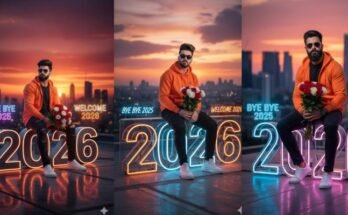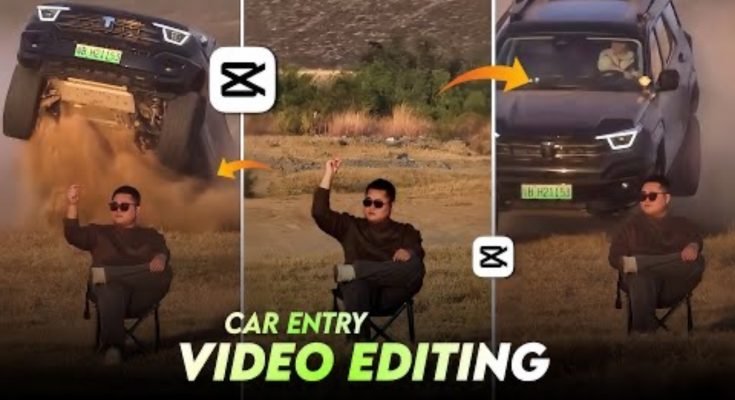
Scroll through Instagram Reels for more than a minute, and you’ll probably see it: someone stepping out of a car in slow motion, lit like a movie poster, set to a bass-heavy track that makes the whole thing feel bigger than it is. This is the car entry trend, and right now it’s one of the most reliable formats for grabbing attention on the platform.
What’s different this time isn’t the concept; dramatic car reveals have existed in ads and music videos for years. What’s changed is who can make them. Google Gemini has taken a format that once required a production crew and put it in the hands of anyone with a phone, a photo, and a decent prompt.
Here’s a full breakdown of why this trend took off, how Gemini fits into it, and how you can actually produce a clip that performs well instead of getting lost in the feed.
What Exactly Is the Car Entry Trend?
At its core, the trend follows one simple beat: a car door opens, someone steps out with intention, and the camera treats it like a hero’s introduction. Think slow-motion footwork, a confident glance at the lens, and styling that matches the mood: sunglasses, tailored jackets, streetwear, or traditional outfits, depending on the creator.
The vehicles range from Honda Civics to Mercedes-Benz models to whatever’s parked in the driveway. That’s actually part of the appeal: the format doesn’t demand a luxury car. It demands presence. A well-timed pause, good lighting, and confident body language will outperform an expensive vehicle shot poorly every time.
The visual language borrows heavily from film. Directors have used the “hero shot,” a low-angle, slow-motion introduction of a character, for decades because it works psychologically. Viewers read confidence and status into that kind of framing almost instantly. The car entry trend just repackages that same technique for a nine-second Reel.
Why Google Gemini Changed the Game
Before AI video tools became mainstream, pulling off a cinematic entry shot meant renting equipment, hiring a videographer, or spending hours color grading footage in editing software. That barrier kept the format out of reach for most everyday users.
Gemini removed that barrier almost entirely. Creators can now upload a single still photo of themselves next to their car, describe the mood they want, and get back a short video that mimics a real cinematic entrance, complete with movement, lighting adjustments, and atmospheric effects like smoke or neon reflections.
This matters more than it might seem at first glance. It shifted the trend from something reserved for people with cameras and editing skills to something anyone with a smartphone and an idea could attempt. Creators across Pakistan, India, the UAE, and Bangladesh picked it up quickly precisely because the technical and financial barriers disappeared overnight.
How the AI Actually Builds the Scene
When you feed Gemini a prompt for this type of video, it’s interpreting several layers of instruction at once:
- Subject and wardrobe: what you’re wearing and how it should read on camera
- Environment: desert, city street, neon-lit alley, golden-hour daylight
- Camera behavior: angle, motion, focus pulls, depth of field
- Vehicle interaction: how the car enters or exits the frame relative to the subject
- Mood and lighting: harsh natural light, moody shadows, warm cinematic tones
The more specific you are across these categories, the more the output looks intentional rather than generic. Vague prompts tend to produce vague results, a problem I’ll come back to in the mistakes section below.
Why This Trend Actually Works on Instagram
Instagram’s algorithm rewards content that stops the scroll in the first couple of seconds, and this format is built around exactly that window. A car door opening is a natural cue for anticipation; viewers instinctively wait to see who steps out, which buys the video crucial extra seconds of watch time.
Beyond the algorithmic advantage, there’s an emotional layer that keeps people engaged. Car entry videos tap into aspiration, identity, and transformation. Some creators use the format literally, showing off a vehicle or an outfit. Others use it as a metaphor, stepping out as a “new version” of themselves, pairing the clip with captions about growth, gratitude, or hustle.
That emotional flexibility is a big reason the trend has stayed relevant longer than most Instagram fads. It’s not tied to one car, one outfit, or one storyline. It’s a template that adapts to whatever story the creator wants to tell.
What Separates a Viral Clip From One Nobody Watches
A handful of technical and creative choices consistently separate the videos that take off from the ones that get scrolled past.
Timing is everything. The door opening, the first step out, and the audio cue need to land within the same beat. Even a half-second of mismatch makes the whole clip feel off.
Camera angle sets the tone. Low angles read as powerful and cinematic. Straight-on, eye-level shots tend to feel flat and amateurish by comparison.
Styling carries more weight than the car itself. Sunglasses, a well-fitted coat, a statement watch, or culturally significant clothing like a kurta all add visual interest that a plain outfit can’t match.
Lighting quality determines whether the AI enhancement even works. Gemini and similar tools can only do so much with a poorly lit source photo. Natural light, especially during golden hour, gives the model far more to work with.
Sound selection matches the energy of the movement. A slow, deliberate step needs a track with space in it, not something chaotic or upbeat that fights against the pacing.
Building Your Own Car Entry Video Step by Step
If you want to try this yourself, the process breaks down into three manageable stages.
1. Capture or Select Your Source Image
Start with a clear, well-lit photo of yourself near the vehicle. Natural daylight works best; harsh midday sun can actually look great for this style, since it creates strong shadows and definition. Avoid dim indoor lighting or blurry shots; the AI can only enhance what’s already legible in the source.
2. Write a Detailed, Specific Prompt
This is where most people either win or lose. A weak prompt like “make me look cool getting out of my car” gives the AI almost nothing to work with. A strong prompt describes:
- The setting (desert, city street, parking garage, coastal road)
- Time of day and lighting style
- Your outfit and accessories
- How the car should be positioned or moving in the background
- The emotional tone you’re going for (confident, mysterious, triumphant, playful)
The more cinematic language you use, words like “slow motion,” “depth of field,” “golden hour,” or “neon-lit,” the closer the output gets to that movie-entrance feel.
3. Polish With Effects and Music
Once you have the generated clip, run it through a quick edit pass. Add slow motion where needed, adjust color grading for consistency, and layer in trending audio that matches the pacing of your movement. This final polish step is often what pushes a good clip into “shareable” territory.
Where Storytelling Fits Into the Format
The car and the visuals grab attention, but the caption and context are what make people stop and actually feel something. Plenty of creators use this trend as a vehicle, no pun intended, for a personal narrative.
Some frame it as a before-and-after moment: struggle to stability, represented by a confident exit from the car. Others keep it lighthearted, playing up an old or modest car as if it were a supercar for comedic effect. Couples have adapted the format into slow-motion joint entrances, and younger creators often lean into humor and exaggerated swagger rather than seriousness.
None of that comes from the AI. The tool builds the visual; the person behind the account supplies the meaning. That combination of polished visuals plus a genuine caption tends to outperform either element on its own.
How Businesses and Influencers Are Using It
This format hasn’t stayed confined to personal accounts. Fashion brands, watch retailers, sunglasses companies, and car dealerships have all started using AI-generated entry clips as low-cost promotional content.
For a small auto dealership or a local boutique, this is a meaningful shift. Producing a cinematic-looking promotional video used to require hiring a videographer and editor. Now, a business owner can generate something visually competitive using not much more than a smartphone photo and a well-written prompt, then run it as organic content or a paid Reel.
Local businesses across Pakistan and India have been early adopters of this approach, using the trend’s visual style to advertise everything from tailoring services to car customization shops.
Common Mistakes That Hurt Performance
A few recurring issues show up in car entry videos that underperform:
| Mistake | Why It Hurts the Video | Fix |
| Filming in poor lighting | Face and details get lost; AI has nothing to enhance | Shoot during golden hour or use bright, indirect natural light |
| Mismatched audio | Movement and music feel disconnected | Choose audio with pacing that matches your walk speed |
| Overly long clips | Instagram favors short, high-impact content | Keep clips under 10-15 seconds |
| Vague prompts | AI output looks generic or inconsistent | Include specific details on setting, lighting, and mood |
| Ignoring composition | Subject gets lost in the frame | Frame with the car and the subject both clearly visible |
Avoiding these issues alone puts a video ahead of a large portion of the content being posted under this trend.
What’s Next for AI-Driven Video Trends
This trend is likely an early example of a much bigger shift rather than a passing moment. As AI video generation continues to improve, it’s realistic to expect tools that can build entire scenes, cars, outfits, environments, even background characters without requiring a real vehicle or location at all.
The direction is clear: creators will move from manually assembling and editing clips toward describing a scene in plain language and having the AI generate a finished, cinematic result. That changes who gets to participate in high-production content creation. Budget and equipment stop being the deciding factor, and creativity, knowing what to ask for and how to describe it, becomes the real skill.
Final Thoughts
The car entry trend works because it takes a mundane, everyday action and reframes it as something worth watching. Google Gemini didn’t invent that idea, but it did remove nearly every technical obstacle standing between an average person and a genuinely cinematic clip.
Whether you’re using this format to promote a business, document a personal milestone, or just have fun with your followers, the formula stays the same: solid lighting, a specific and thoughtful prompt, matched audio, and a caption that gives the visuals actual meaning. Get those four elements right, and there’s no real reason your version can’t perform just as well as the ones currently filling everyone’s Explore page.